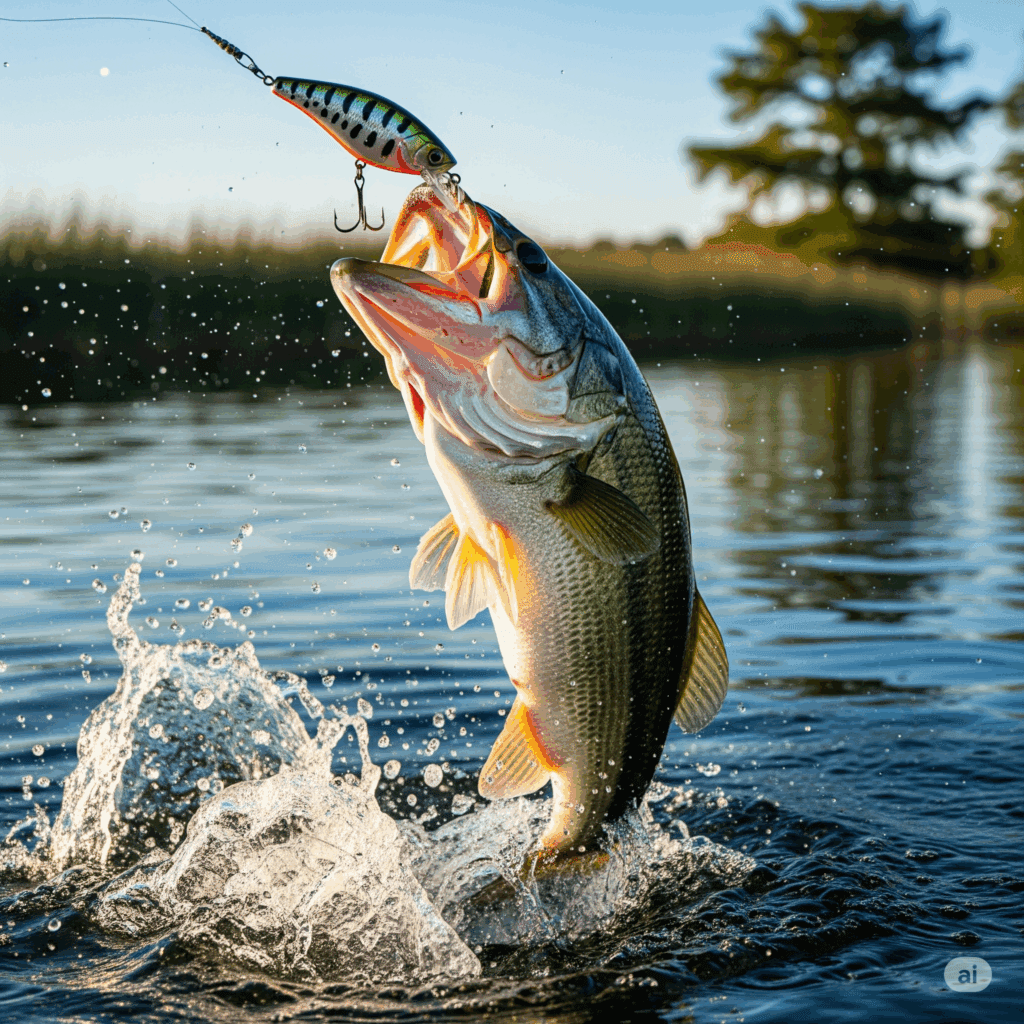
Whether you’re a weekend warrior or tournament angler, understanding bass fishing terminology can make the difference between landing your personal best and coming home empty handed. These essential fishing terms will help you communicate better with fellow anglers, understand fishing reports, and improve your overall angling success.
Structure and Cover: The Foundation of Bass Habitat
Structure refers to changes in bottom contour like drop-offs, humps, and creek channels that bass use as highways and feeding areas. Cover, on the other hand, includes visible objects like fallen trees, docks, and vegetation where bass hide and ambush prey. Smart anglers target areas where structure and cover intersect for maximum fishing success.
Points are underwater ridges extending into deeper water, while flats are shallow, relatively level areas perfect for spawning bass. Understanding these underwater features is crucial for locating fish throughout different seasons.
Lure Presentation Techniques
Pitching involves underhand casting to precise targets using a pendulum motion, perfect for getting lures under docks or into thick cover. Flipping is a close quarters technique where you swing the lure directly into cover without casting. Both methods excel for targeting bass in heavy vegetation or structure.
Cranking refers to retrieving crankbaits at various depths, while burning means retrieving lures extremely fast across the surface or through shallow water. Dead-sticking is the opposite, it’s letting your lure sit motionless to trigger strikes from inactive bass.
Strike Detection and Hook Setting
The bite is when a bass takes your lure, which might feel like a light tap or sudden weight. A hookset is the upward rod movement that drives the hook into the fish’s mouth. Line watching involves monitoring your fishing line for subtle movements that indicate a bass has picked up your bait.
Slack line can cost you fish, so maintaining proper rod tip position and line tension is essential for detecting strikes and setting hooks effectively.
Seasonal Bass Behavior
During the spawn, bass move to shallow water to reproduce, making them more aggressive and easier to target. Pre-spawn bass are feeding heavily before moving shallow, while post-spawn fish are recovering and often more challenging to catch.
Schooling bass group together to feed on baitfish, creating exciting topwater fishing opportunities. Understanding these behavioral patterns helps predict where bass will be throughout the year.
Get this Infographic emailed to you now
Essential Gear and Equipment Terms
Your drag system controls how much pressure a fish can pull against, preventing line breaks during the fight. Action describes how much of the rod bends under pressure, fast action rods bend mostly at the tip, while slow action rods bend throughout their length.
Monofilament, fluorocarbon, and braided line each offer different advantages for bass fishing applications. Pound test indicates line strength, while line diameter affects how deep lures dive and how visible the line appears underwater.
Advanced Angling Concepts
Pattern fishing involves identifying consistent variables like depth, cover type, or lure preference that produce bass throughout the day. Milk runs are efficient routes covering multiple productive spots.
Finesse fishing uses smaller, more subtle presentations for pressured or inactive bass, often requiring lighter tackle and slower presentations. This approach contrasts with power fishing techniques that use larger lures and heavier gear to cover water quickly.
Fishing Conditions and Environmental Factors
Barometric pressure changes affect bass behavior, falling pressure often triggers feeding activity. Water clarity determines lure color choices and presentation styles. Thermoclines are temperature layers in deeper water where bass often suspend during summer months.
Understanding how current, wind direction, and moon phases influence bass feeding patterns can significantly improve your catch rates throughout different conditions.
What bass fishing terms did we miss? Are there specific techniques or terminology you’d like us to explore in future articles? Drop a comment below and let us know what bass fishing topics interest you most—your suggestions help shape our upcoming content!