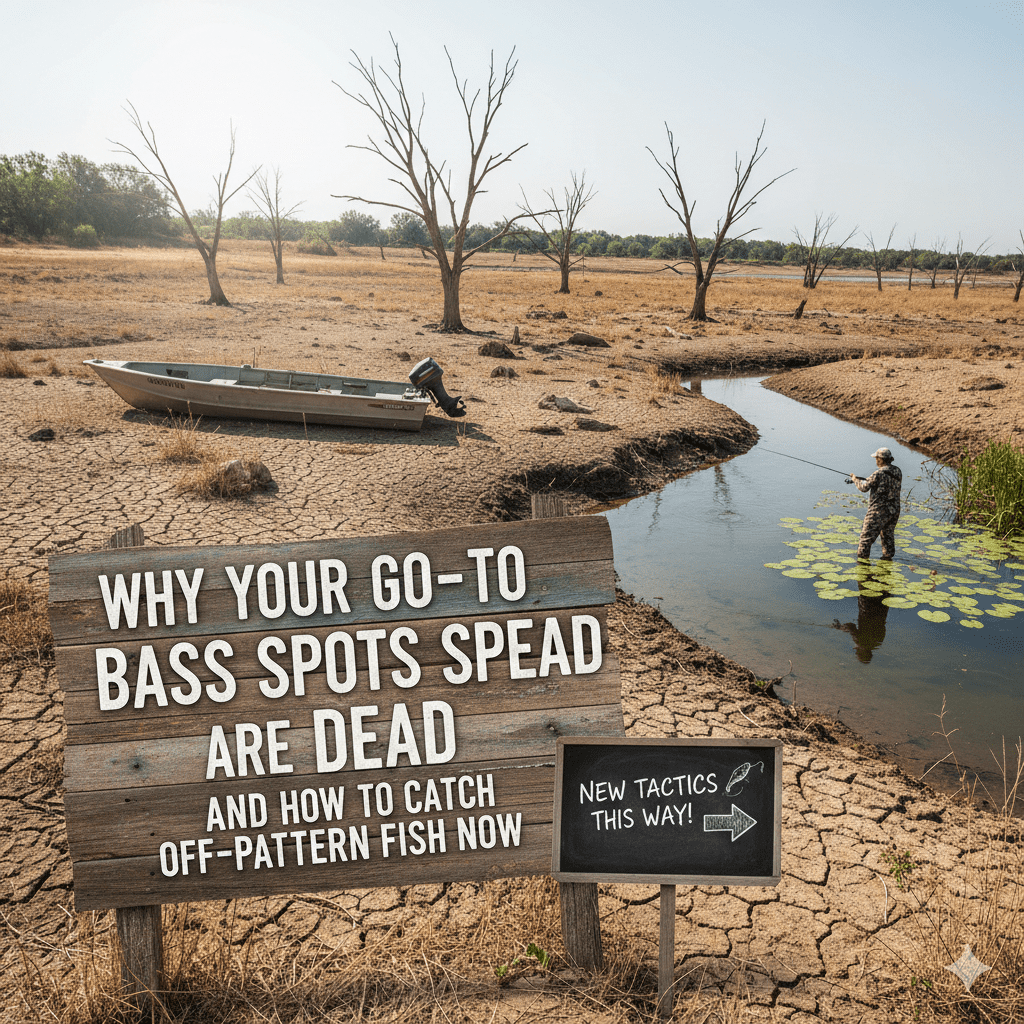
Have you heard, “The patterns I’ve relied on for 20 years just don’t work like they used to.”? If you’re a bass angler in the Southeast, this confession resonates deeply. According to the National Oceanic and Atmospheric Administration (NOAA), average winter temperatures have increased by 2.5°F since 1970, fundamentally reshaping our fishing landscapes. Here’s how Southeast bass anglers can adapt to increasingly volatile weather patterns with practical, resilient strategies.
The climate is changing, and nowhere is this more evident than in our bass fisheries. The Florida Fish and Wildlife Conservation Commission (FWC) reports that water temperature fluctuations are dramatically altering bass behavior, creating unprecedented challenges for even the most experienced anglers. Tracking these changes becomes critical to consistent success.
Understand the New Environmental Dynamics
Warmer winters are preventing traditional cold snaps, disrupting bass’s natural seasonal movements. The U.S. Geological Survey (USGS) indicates that water temperature variations of just 2-3 degrees can significantly impact bass spawning and feeding patterns. This means your tried-and-true seasonal strategies might now be obsolete.
Modify Your Fishing Approach
Adapt your tactics to these new realities:
1. Embrace Real-Time Data: Invest in quality water temperature gauges and advanced weather tracking apps. Don’t rely solely on calendar-based assumptions.
2. Recognize Unpredictable Spawning Windows: With warmer temperatures, bass might spawn earlier or more sporadically. Monitor water temperatures closely and be prepared to adjust your strategies quickly.
3. Develop Versatile Presentation Techniques: In muddy, high-water conditions after intense spring rains, slow down your presentations. Use darker, larger profile baits that create more vibration and are easier for bass to locate.
When traditional spots fail, look for:
– Secondary creek channels during flood conditions
– Unexpected shallow water areas in winter
– Transitional zones between deep and shallow habitats
Technology is your ally. Modern fishing apps and real-time data can help you understand micro-climate changes that impact bass behavior. The days of fishing by pure instinct are evolving into a more data-driven approach.
Here are three immediate steps to become a more adaptive angler:
1. Download a comprehensive fishing and weather tracking app
2. Invest in a quality water temperature gauge
3. Keep a detailed fishing journal documenting water conditions, temperatures, and catch rates
Climate change isn’t a future threat, it’s a current reality transforming bass fishing. By staying informed, flexible, and technologically equipped, you can turn these challenges into opportunities for growth and success.
Share your experiences adapting to changing fishing conditions in the comments below. Together, we can navigate this new fishing landscape and continue to enjoy the incredible sport of bass fishing.