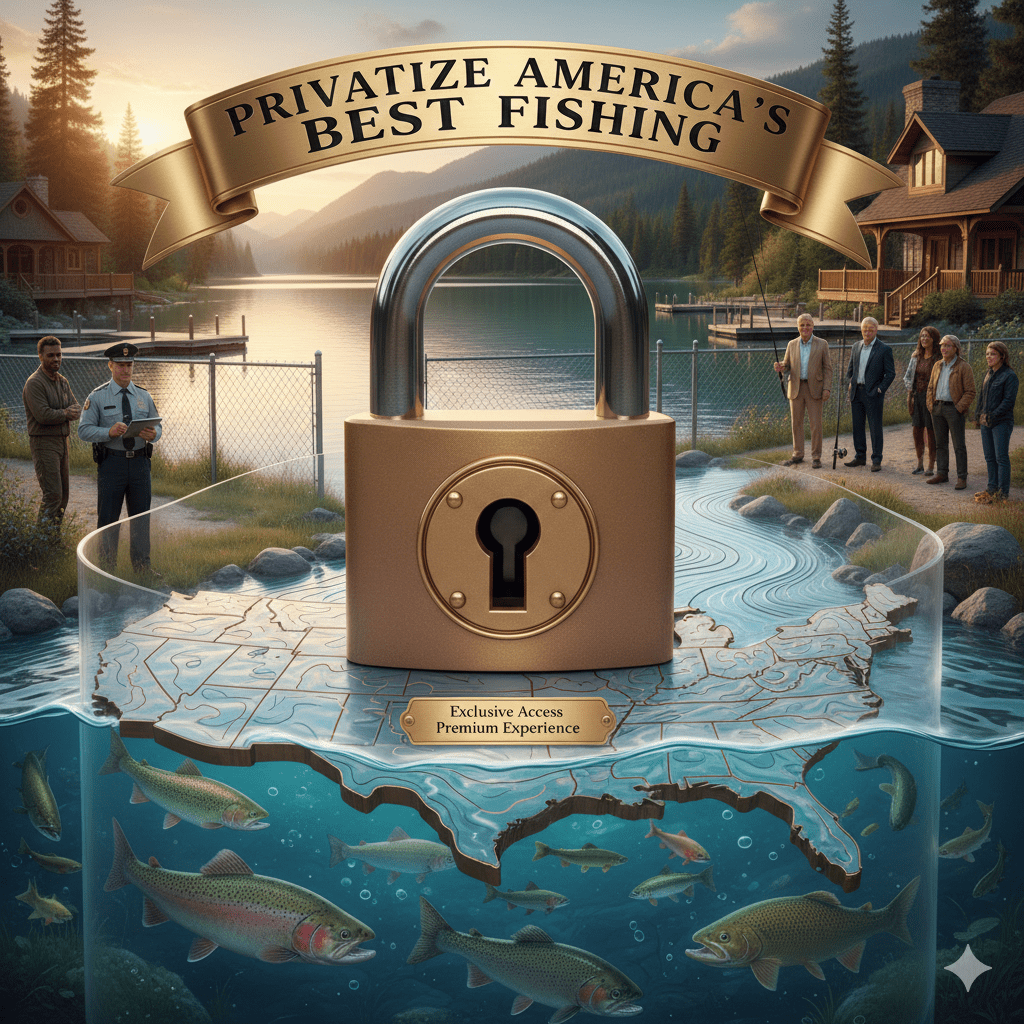
The familiar boat ramp was gone—just a chain-linked fence and a stark ‘No Trespassing’ sign where I used to launch decades ago. According to the National Association of State Outdoor Recreation Liaison Officers, public water access points have declined by approximately 15% in the last decade, silently eroding our connection to natural resources.
Here’s how anglers can reclaim and protect public water access through strategic, proactive strategies.
Understand the Privatization Landscape
Private landowners and developers are increasingly restricting water access, transforming what were once public launch points into exclusive zones. The Florida Fish and Wildlife Conservation Commission (FWC) reports that shoreline privatization disproportionately impacts recreational fishing, with an estimated 30% reduction in traditional fishing access points in coastal regions.
Investigate Local Access Challenges
Research your specific region’s access issues. Counties like Brevard and Duval in Florida have seen significant reductions in public boat ramps and fishing locations. Contact local government representatives and document existing access points. The Florida Department of Environmental Protection (Florida DEP) recommends maintaining a comprehensive map of current and lost access sites to support future preservation efforts.
Support Public Access Organizations
Organizations like the Backcountry Hunters & Anglers are fighting to maintain and restore public water access. By supporting these types of groups through membership, donations, or volunteer work, you directly contribute to preserving recreational opportunities.
Here are three concrete steps you can take right now:
1. Join a local conservation organization focused on public land and water access
2. Attend county and municipal meetings discussing land use and development
3. Document and report lost or restricted access points to state wildlife agencies
The stakes are high. Losing public water access isn’t just about fishing, it’s about maintaining our collective connection to natural resources. Every blocked boat ramp, every ‘No Trespassing‘ sign represents more than an inconvenience; it’s a severance of our community’s relationship with the environment.
Share your local access stories in the comments. Together, we can shine a light on this quiet crisis and work to keep our waters open and accessible to all.