
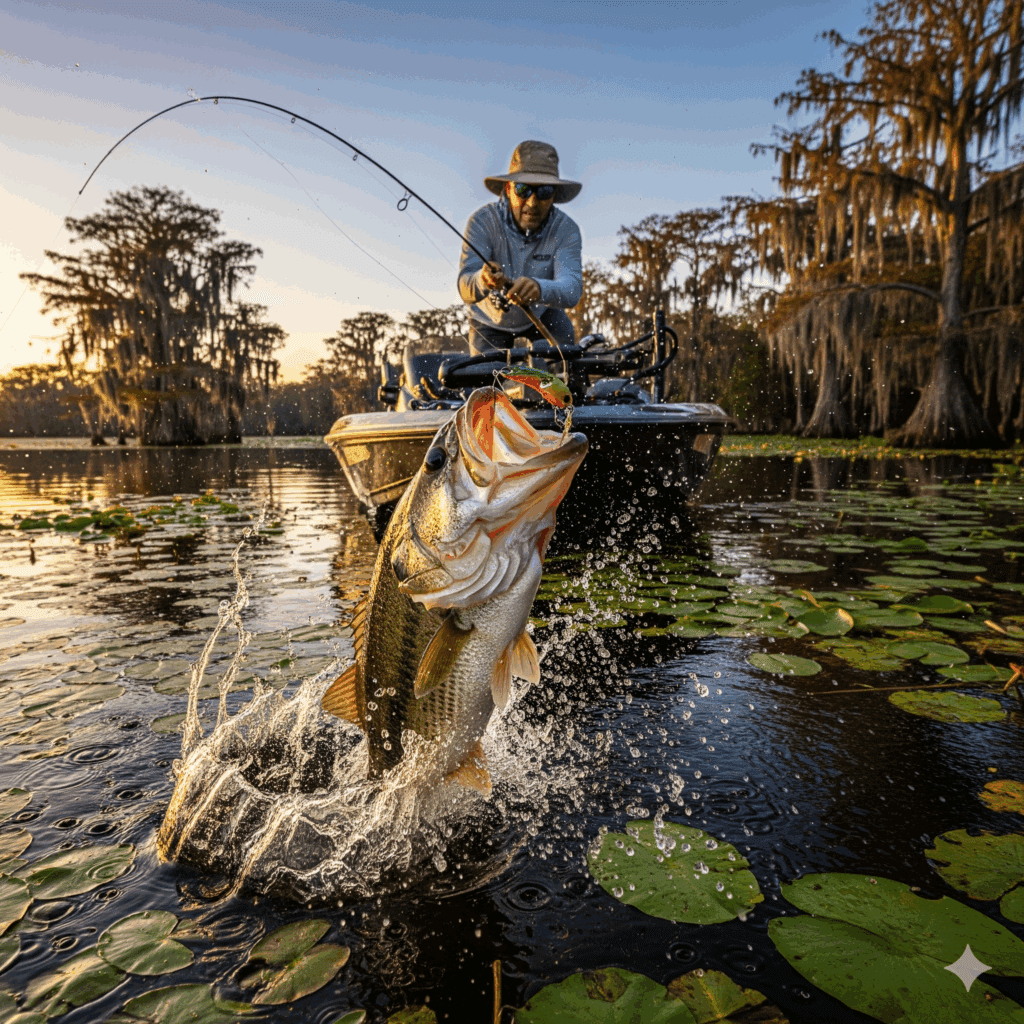
Ever notice how those trophy bass seem to vanish overnight? One day you’re hauling them in from your favorite summer spot, and the next, it’s like they’ve packed their bags and disappeared. You’re not alone, this mysterious phenomenon is what we call a ‘transition’ in bass fishing, and it’s both the most challenging and opportunistic time for anglers.
According to Florida Fish and Wildlife Conservation Commission (FWC) data, bass movement patterns can shift up to 70% of their typical home range during seasonal transitions. That’s a game-changer for your fishing strategy. Here’s how dedicated bass anglers can consistently locate and catch transitional bass with practical, science-backed strategies.
Understanding the Transition Basics
First, let’s demystify what ‘transition’ really means. As a guide who’s spent decades tracking Florida bass movements, I can tell you that transition periods are like nature’s highway system for bass. These fish aren’t just randomly swimming around, they’re following specific migration routes triggered by changes in water temperature, daylight hours, and baitfish movements. The U.S. Geological Survey (USGS) has documented that bass can travel up to 2-3 miles during major seasonal transitions, typically following predictable paths along creek channels and structural features.
Map the Migration Routes
Locating transitional bass starts with understanding their highway system. Focus on these key areas:
– Main lake points that connect deep water to shallow areas
– Creek channels that serve as underwater roadways
– Secondary points with sudden depth changes
– Isolated cover near deep water access
NOAA data shows that bass movements accelerate when water temperatures shift more than 5 degrees in a week, making these periods prime time for targeting transitional fish.
Match the Seasonal Patterns
Different transitions require different approaches. During the fall transition, when FWC studies show bass follow shad migrations to shallow water, focus on creek mouths and flats with moving water. In winter-to-spring transitions, target staging areas near spawning flats where bass gather before the spawn. Recent tracking studies by the FWC reveal that 80% of bass use the same migration routes year after year, that’s golden intelligence for planning your fishing strategy.
Adapt Your Presentation
Transitional bass require a tactical approach to lure selection and presentation. Here’s what works:
– Fall Transition: Use chrome/blue jerkbaits and shad-colored crankbaits
– Winter Transition: Slow down with Carolina rigs and football jigs
– Spring Transition: Target pre-spawn areas with lipless crankbaits and swimjigs
FWC research indicates that bass feed 28% more actively during transition periods, but they’re also more selective about their prey.
Action Steps for Your Next Trip
1. Monitor water temperatures daily, transitions typically begin when temperatures change 5+ degrees
2. Keep detailed notes of productive spots during different seasonal phases
3. Use your electronics to mark structural elements along likely migration routes
Conservation Note:
Remember that transitional periods, especially pre-spawn, are crucial for bass population health. Practice catch and release during these vulnerable times to ensure sustainable fishing for future generations.
The key is thinking like a bass – they’re not disappearing, they’re relocating in predictable ways.
Share your transition fishing experiences in the comments below. What patterns have you noticed on your local waters? Your insights could help fellow anglers crack the code on these challenging but rewarding fishing periods. Remember, the best anglers are those who learn from both the fish and each other.