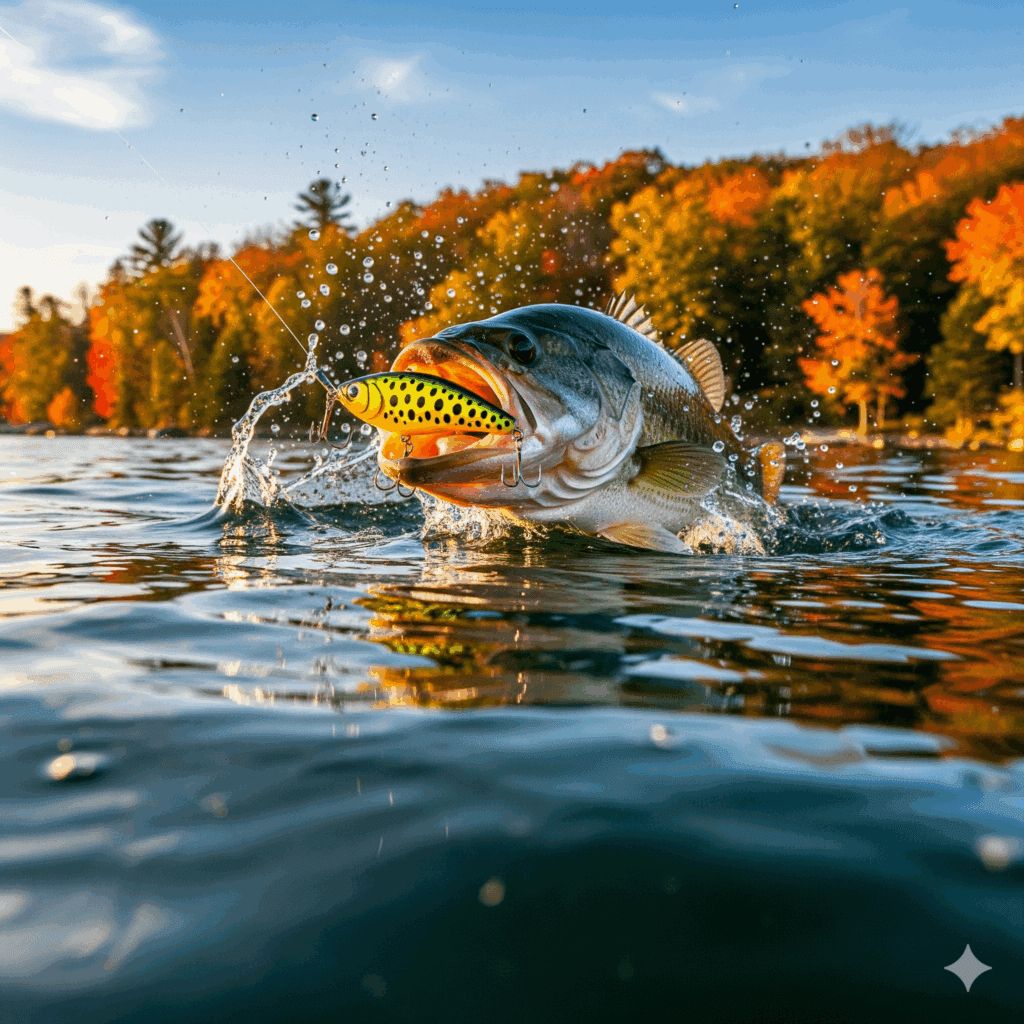
That heart-stopping explosion of a big Florida bass crushing your topwater lure is what we live for as anglers. But here’s what many don’t realize, fall presents one of the year’s best opportunities for consistent topwater action. According to Florida Fish and Wildlife Conservation Commission (FWC) data, fall months typically see a 23% increase in bass feeding activity as water temperatures begin dropping from summer peaks. Here’s how dedicated bass anglers can maximize their topwater success with practical, science-backed strategies.
Understanding fall bass behavior is crucial for success. The FWC’s latest Bass Management Plan reveals that Florida largemouth bass modify their feeding patterns significantly as water temperatures shift from summer to fall ranges. When temperatures drop below 80°F, bass become more active during daylight hours, creating prime conditions for topwater fishing. But timing is everything.
Master the Prime Time Windows
The most productive topwater bite typically occurs during three key periods: dawn, dusk, and overcast conditions. USGS water temperature data shows that surface temperatures can vary by up to 8 degrees between early morning and midday in Florida lakes. This temperature differential triggers increased feeding activity. Fishing guides find buzzbaits and walking baits like Spooks are absolutely deadly during these periods, especially when worked along grass edges and cypress trees.
Target High-Percentage Locations
Fall bass in Florida gravitate toward specific habitat types. Recent FWC habitat surveys indicate that 72% of trophy bass (over 8 pounds) are caught within 30 feet of deep-water access points during fall months. Focus your efforts on areas where shallow vegetation meets deeper water, particularly around creek channels, points, and deeper holes. During midday heat, target thick vegetation mats where bass seek shade and comfort.
Adapt Your Arsenal to Conditions
When the topwater bite slows, it’s crucial to have backup plans. NOAA weather data shows that Florida still experiences average daily highs above 85°F well into October. During these hot periods, switch to deep-diving crankbaits or large plastic worms (10″+ length) to target bass that have moved to deeper, cooler water. The FWC’s trophy bass program data indicates that soft plastics account for 65% of documented trophy catches during fall months.
Time for Action: Your Fall Bass Game Plan
1. Start with aggressive topwater presentations during the first and last hours of daylight. Use buzzbaits or walking baits around vegetation edges.
2. When sun gets high, punch heavy vegetation with a 1.5 oz weight and your favorite creature bait. FWC studies show that heavy cover holds the largest concentrations of bass during midday hours.
3. Keep a deep-diving crankbait ready for working creek channels and ledges, particularly when surface temperatures exceed 82°F (carry a water thermometer).
The fall season offers Florida bass anglers an incredible opportunity to experience some of the year’s most explosive topwater action. By understanding and adapting to the seasonal patterns, you can dramatically increase your success rates. Remember, the FWC’s data shows that more trophy bass are caught in Florida during October and November than any other months except during the spawn.
Share your favorite fall bass fishing techniques in the comments below. What topwater lures have produced your biggest Florida bass? Together, we can help each other experience more of those unforgettable surface strikes that make bass fishing so addictive.